
When it comes to enhancing the beauty and durability of your home’s exterior wood features—such as decks, fences, siding, pergolas, or trim—choosing the right finish is crucial. The two most popular options are paint and stain, each offering unique benefits and drawbacks. Making an informed decision between these finishes can significantly impact your home’s aesthetic appeal, longevity, and maintenance requirements.
In this comprehensive guide, we’ll explore the key differences between paint and stain, their advantages and disadvantages, and help you determine which option is best suited for your specific outdoor wood features.
Understanding Paint and Stain: The Basics
Paint is a pigmented coating that forms a solid film over wood surfaces. It provides a uniform, opaque color and acts as a protective barrier against moisture, UV rays, and pests. Paint can come in a variety of finishes, including matte, satin, semi-gloss, and gloss.
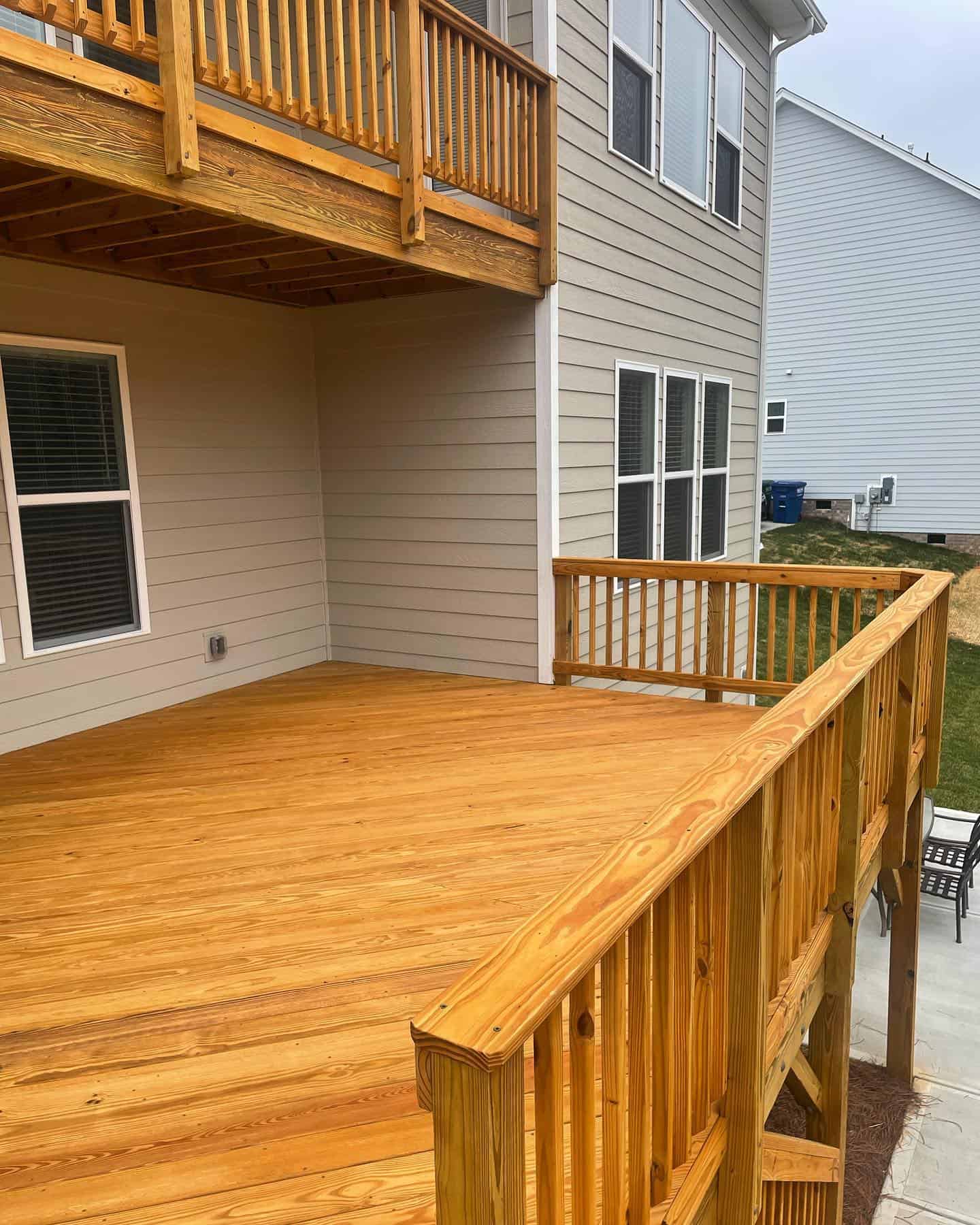
Stain, on the other hand, is a semi-transparent or transparent coating that penetrates the wood’s surface. It enhances the natural grain and texture of the wood while offering protection against the elements. Stains can be oil-based or water-based and are available in a wide range of colors, from clear to richly tinted.
Aesthetic Appeal: Which Looks Better?
Paint:
Paint provides a bold, consistent color that can completely change the look of your wood features. It’s ideal if you want a specific color that matches your home’s exterior or want to create a modern, sleek appearance. Because it’s an opaque finish, it hides the natural grain of the wood, giving a smooth, uniform surface.
Stain:
Stain enhances the natural beauty of wood by highlighting its grain and texture. It offers a more traditional or rustic look that many homeowners prefer for decks, fences, and pergolas. Stains come in transparent, semi-transparent, and solid varieties, allowing you to choose how much of the wood’s natural character you want to showcase.
Which to choose?
If you prefer a bold, uniform color that completely covers the wood, paint is the way to go. If you want to preserve the natural look and texture of the wood, stain is the better option.
Durability and Protection
Paint:
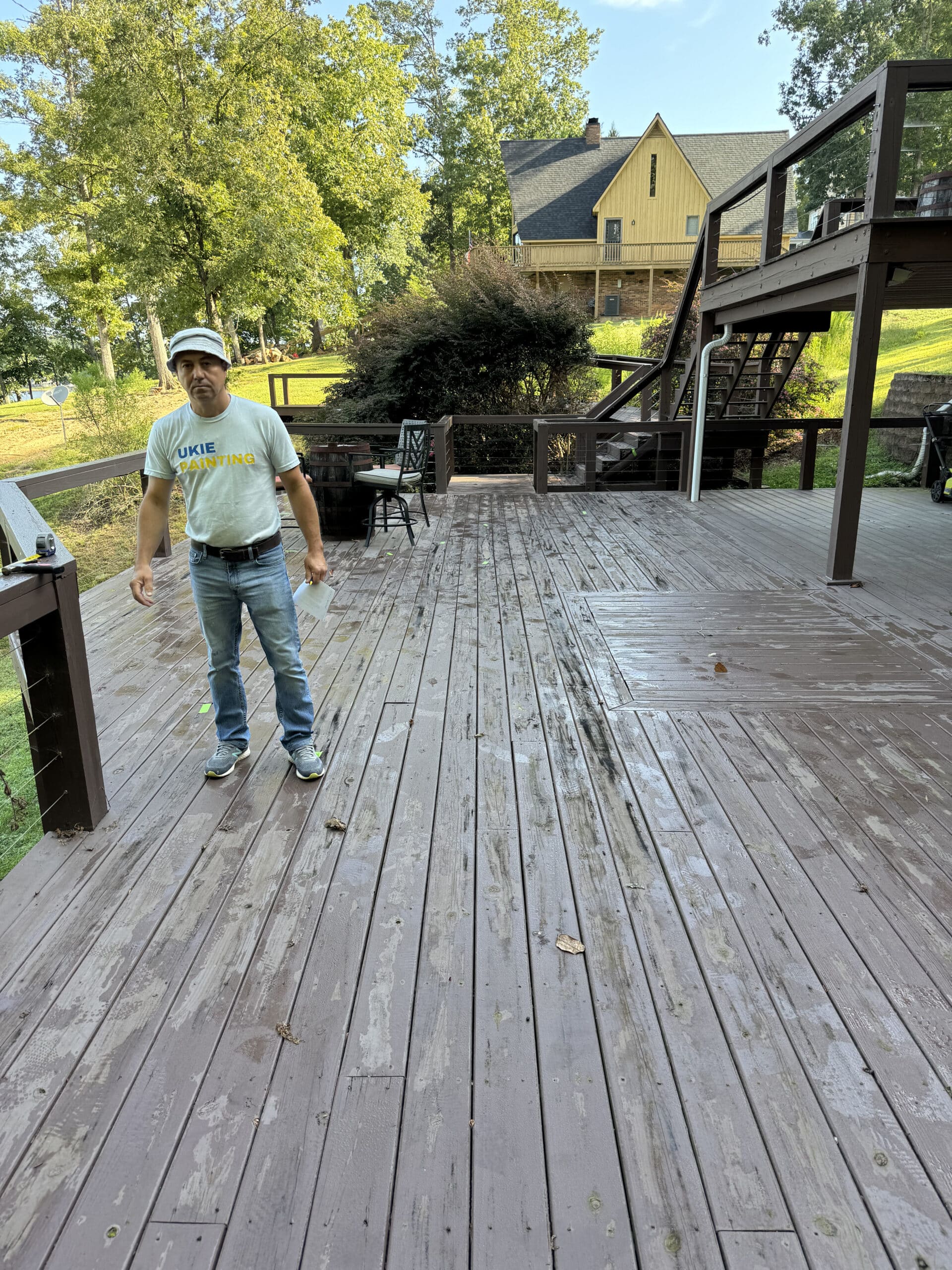
Paint generally offers superior protection against moisture, UV rays, and pests. Because it forms a thick, protective film, it can withstand harsh weather conditions and resist peeling or cracking for several years. However, once the paint begins to deteriorate, it often requires stripping or sanding before repainting.
Stain:
Stain penetrates the wood and provides a more breathable coating, which can help prevent cracking or peeling. While many stains are formulated with UV blockers and water repellents, they typically offer less overall protection than paint. Stains may fade or wear more quickly, especially in exposed areas subject to sun and weather.
Which to choose?
For high-traffic or highly exposed surfaces like decks and fences, paint might offer longer-lasting protection. For features where a natural look is desired and some wear is acceptable, stain can be sufficient, especially when reapplied regularly.
Maintenance and Reapplication
Paint:
Repainting is necessary when the paint begins to peel, crack, or fade. This process usually involves scraping or sanding the old paint before applying a fresh coat. While the initial paint job may last 7-10 years on exterior wood, maintenance can be labor-intensive.
Stain:
Stains typically require reapplication every 2-4 years, depending on weather exposure and quality of the product used. Re-staining can be easier and faster since it often involves cleaning the surface and applying a new coat directly over the existing stain.
Which to choose?
If you prefer a low-maintenance finish that lasts a long time, paint might be preferable. If you’re okay with more frequent touch-ups and enjoy the natural look of wood, stain is a practical choice.
Environmental and Health Considerations
Paint:
Many paints contain volatile organic compounds (VOCs), which can be harmful to the environment and indoor air quality. However, low-VOC and eco-friendly options are now available.
Stain:
Oil-based stains tend to have higher VOC levels, but water-based stains are more environmentally friendly and have lower VOC emissions.
Which to choose?
Look for low-VOC or eco-friendly formulations of both paint and stain to minimize environmental impact and indoor air pollution.
Cost Factors
Paint:
Typically, paint can be more expensive initially, especially if multiple coats are required. However, its longer-lasting protection can offset the higher upfront cost.
Stain:
Stains are generally less expensive per application and require less preparation. However, more frequent reapplications can add to the long-term cost.
Which to choose?
Consider your budget, desired lifespan, and maintenance willingness. Sometimes investing in higher-quality paint can provide better value over time.
Specific Uses and Recommendations
| Feature | Paint | Stain |
|---|---|---|
| Exterior siding | Excellent for a uniform, durable finish | Good if natural grain is desired, less durable |
| Decks | Better for high-traffic, high-exposure surfaces | Suitable for a more natural look, regular reapplication needed |
| Fences | Long-lasting, hides imperfections | Enhances wood grain, easier touch-ups |
| Pergolas & Arbors | Provides a colorful, solid finish | Highlights wood texture, semi-transparent options |
Final Thoughts: Making the Right Choice
Deciding between paint and stain depends on your aesthetic preferences, maintenance willingness, and the specific features of your home’s exterior wood. If you want a bold, long-lasting, and protective finish, paint is often the best choice. If you prefer a more natural look that showcases the beauty of the wood, stain is ideal—just be prepared for more frequent reapplications.
Tip: Consult with a professional painter or stain specialist to determine the best product for your climate and wood type. Proper surface preparation, high-quality products, and correct application are essential regardless of your choice.
Conclusion
Both paint and stain have their merits and ideal applications for exterior wood features. Your decision should align with your aesthetic goals, budget, and maintenance preferences. By understanding the differences outlined above, you can confidently select the finish that will enhance your home’s beauty and protect your wood features for years to come.
Remember, investing in the right finish and proper application can preserve the charm and integrity of your outdoor wood elements, ensuring they remain a stunning part of your home’s exterior landscape.