
If you are asking, “is it safe to live in a house with lead paint,” the answer depends on the condition of the painted surfaces and what work is planned. Lead-based paint can still be present in homes built before 1978, but stable paint is a different situation from paint that is peeling, wearing down, or about to be disturbed.
For homeowners in Mint Hill and the greater Charlotte area, the safest approach is to look at the age of the home, the condition of the coatings, and the project scope before sanding, scraping, cutting, or other preparation begins.
Why Pre-1978 Homes Need Extra Attention
Lead was banned from residential paint in 1978. Older homes may still have lead-based paint under newer coatings on trim, windows, doors, siding, cabinets, or other painted surfaces.
That does not mean an older Mint Hill home is automatically unsafe. The concern increases when older coatings deteriorate or when painting and renovation work creates lead-contaminated dust.
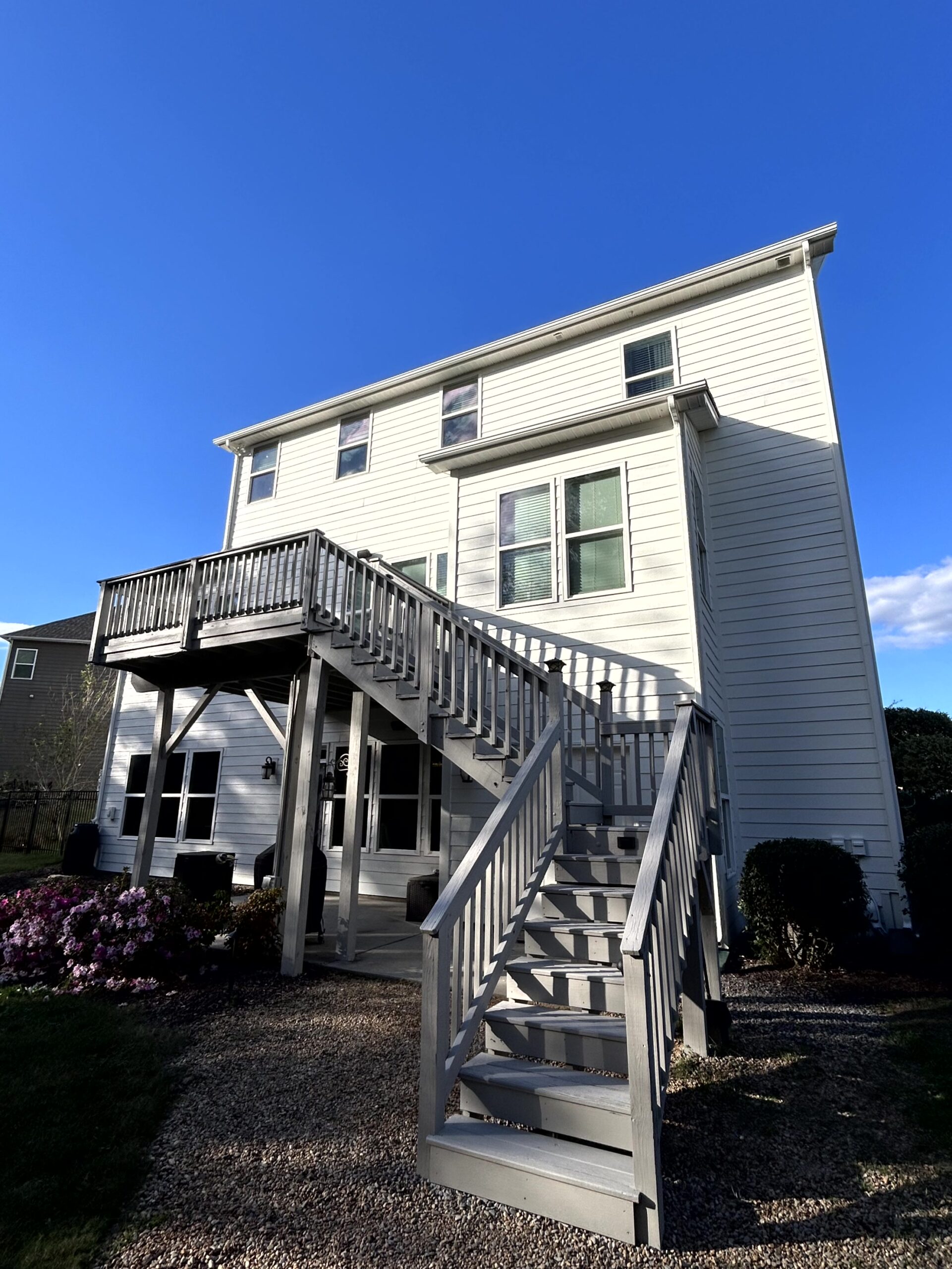
The age of the property is a reason to plan preparation carefully before work begins, especially on windows, doors, trim, and other surfaces that receive repeated wear.
When Lead Paint Becomes More Concerning
Lead exposure often comes from dust and paint chips. We pay closer attention when older coatings are failing or are likely to be disturbed during preparation.
Examples include:
If exterior trim is already failing, our guide to what causes exterior trim paint to fail explains why the source of the coating problem matters before a new finish goes on.
Who Faces the Greatest Risk From Lead Exposure?
Lead exposure can affect people of any age, but young children are especially vulnerable because their brains and nervous systems are still developing.
Lead can also be a concern during pregnancy. If you believe someone in your household may have been exposed, contact a healthcare professional or local public health agency for medical testing guidance.
A painting company cannot diagnose lead exposure. Our role is to recognize when older painted surfaces may trigger lead-safe work requirements and handle the painting scope accordingly.
What North Carolina Requires for Paint-Disturbing Work
North Carolina runs its own Lead-Based Paint Hazard Management Program for Renovation, Repair and Painting. Covered paid work in pre-1978 homes and child-occupied facilities requires certification and lead-safe work practices.
North Carolina requires certified firms and certified renovators for applicable projects. The state also requires pre-renovation education and specific containment, cleaning, and recordkeeping steps.
The state’s Renovation, Repair and Painting guidance explains the current contractor and property-owner requirements.
How to Find Out If Lead Paint Is Present
If a definite answer is needed before work begins, professional testing can identify painted components that contain lead-based paint.
A certified lead inspector can test painted surfaces. A risk assessor looks for hazards such as deteriorated paint and contaminated dust and can recommend next steps.
For a covered renovation, affected surfaces can also be tested under the RRP program or presumed to contain lead-based paint. The testing approach should match the scope of the project and the question you need answered.
Lead-Safe Renovation and Lead Abatement Are Different
These services should not be treated as the same thing.
Lead-safe renovation covers normal remodeling, repair, or painting work that may disturb lead-based paint. Lead abatement is work specifically intended to permanently eliminate lead-based paint or lead hazards.
North Carolina separately regulates abatement activities, inspections, risk assessments, project design, and other lead-hazard work. A normal repaint should not be described as lead abatement unless it is actually being completed under those requirements.
The same applies to encapsulation. A standard finish coat is not automatically a lead encapsulant. Encapsulation uses products and methods intended for lead-hazard control.
What to Do Before Repainting an Older Home
If your home may contain lead-based paint, planning before preparation is the safer route.
For normal painting prep after lead requirements have been addressed, our guide to how primer fits into surface preparation explains why the substrate and existing coating affect the next step.
How We Approach Older Homes at Ukie Painting
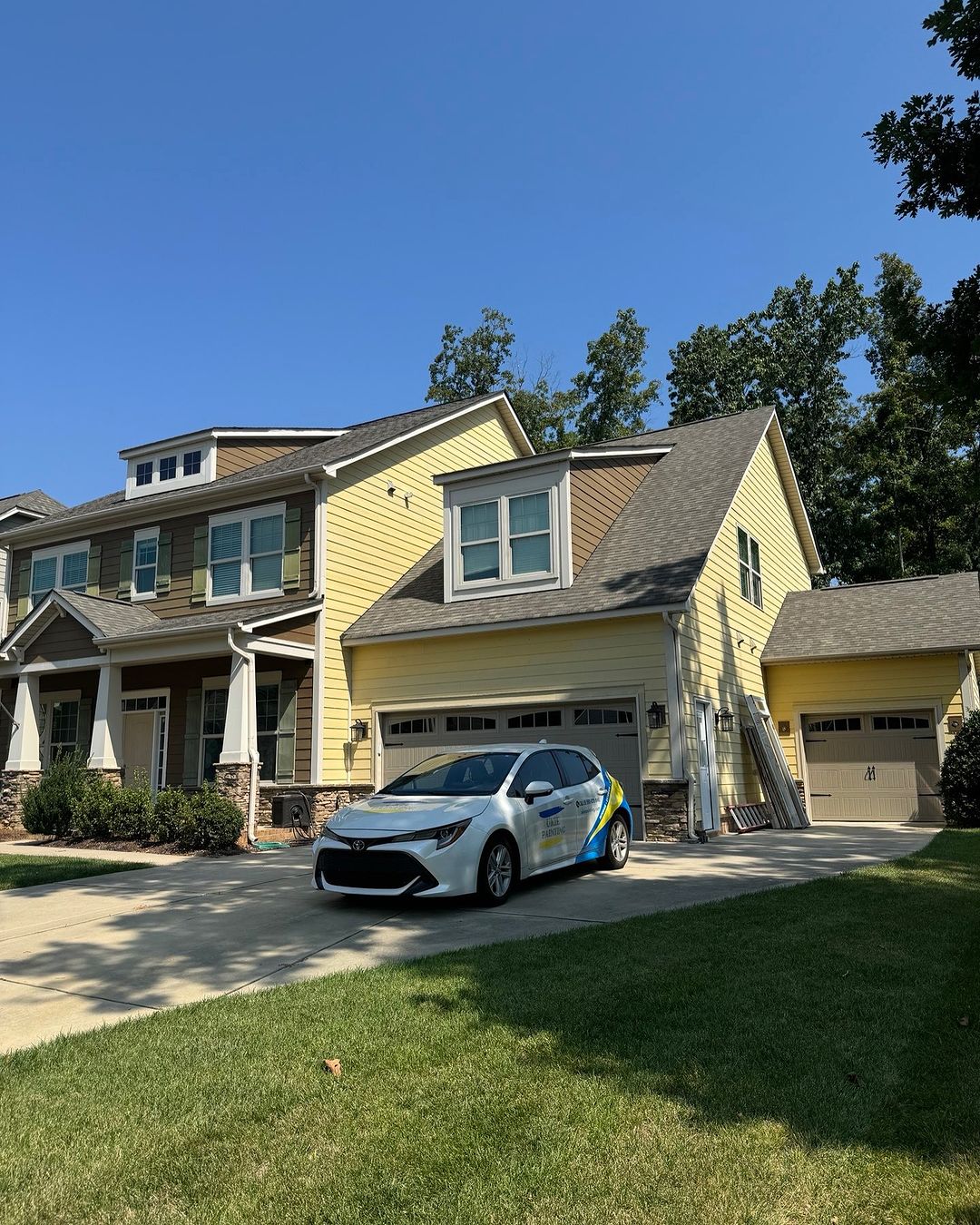
At Ukie Painting, we serve Mint Hill, Charlotte, Matthews, Ballantyne, Harrisburg, and other Greater Charlotte communities with residential and commercial painting.
When a property was built before 1978, the age of the home and the planned preparation should be part of the project discussion before older coatings are disturbed. If the scope falls under North Carolina’s RRP rules, the required certifications and lead-safe work practices need to be confirmed before work begins.
Our current website lists Ukie Painting as licensed and insured and offers free estimates. It also lists up to a twenty-year exterior warranty, up to a ten-year interior warranty, and a five-year cabinet warranty on qualifying projects, with terms based on the surface and finish.
For homeowners planning interior work, our interior painting tips cover project preparation, communication, and the details worth reviewing before work starts.
Frequently Asked Questions About Living With Lead Paint
Is it safe to live in a house with lead paint if the paint is intact?
Stable paint is generally less concerning than deteriorated paint, but older surfaces should still be monitored and kept clean. The risk changes when paint starts peeling or when work disturbs it.
Does every home built before 1978 have lead paint?
No. Pre-1978 homes may contain lead-based paint, but the construction date does not confirm which surfaces contain it. Testing is needed when a definite answer is required.
Can I sand old paint before I know if it contains lead?
It is safer to address the lead question before aggressive sanding, scraping, or stripping on suspect older coatings because those activities can create contaminated dust.
Does every repaint of a pre-1978 home require RRP certification?
No. North Carolina’s rule depends on the type and amount of paint disturbance and other project details. Covered projects require the appropriate firm and renovator certifications.
Is painting over lead paint the same as lead abatement?
No. Repainting, lead-safe renovation, encapsulation, and abatement are different activities. Abatement is specifically intended to permanently eliminate lead-based paint or lead hazards and has separate requirements.