
Interior painting tips are easy to skim past until a room starts looking uneven, scuffed, or dull sooner than expected. Most people think the difference comes down to the paint color or the brand on the can. In practice, it comes from the steps taken before and during the work, and how each surface is treated along the way.
This guide walks through interior painting tips that focus on finish quality, durability, and long term results.
Key Takeaways:

Start With The Space, Not The Paint
One of the most overlooked interior painting tips is stepping back and looking at how the room is used. Traffic patterns, moisture, light, and wall texture all shape what will work best on the surface.
Kitchens, bathrooms, and laundry rooms deal with water, humidity, and mildew. Living rooms and hallways see constant contact from hands, furniture, and pets. Bedrooms often need softer finishes that handle touch ups without flashing.
Paint selection only makes sense after these details are clear. A satin or eggshell finish might suit a hallway, while a higher gloss performs better on trim and doors. Matching the finish to the space prevents early wear and uneven shine.
This is also where color decisions come into play. A thoughtful color consultation can account for lighting direction, window placement, and how colors shift throughout the day without guessing.
Why Surface Prep Does Most Of The Work
Interior painting tips often focus on rollers and brushes, but surface prep carries the most weight. Paint needs a stable base to bond correctly. Without it, even premium coatings fail early.
Walls often carry invisible issues like dust, oils, residue, or previous patchwork. These problems interfere with adhesion and lead to peeling or uneven texture.
Professional prep usually includes:
- Cleaning walls to remove dirt, grease, and residue
- Repairing dents, cracks, and nail holes
- Sanding uneven areas for smooth transitions
- Spot priming repaired sections
This process ties directly into surface preparation, which plays a major role in how paint bonds and cures. Skipping or rushing these steps shortens the lifespan of the finish and increases maintenance later.
Primer Is A Control Layer, Not An Extra Step
Another interior painting tip that gets misunderstood is primer usage. Primer is not just for dramatic color changes. It creates a uniform surface that controls absorption and improves adhesion.
Primer helps when:
- Covering dark or bold colors
- Painting over patched drywall
- Working on slick or glossy surfaces
- Managing stains or watermarks
Latex primers work well for most interior walls. Acrylic paint systems often rely on proper priming to maintain color consistency and avoid flashing. In moisture-prone spaces, specialty primers help resist mildew and moisture intrusion.
Primer also reduces the number of finish coats needed, which saves time and improves consistency across the room.
Sheen Selection Affects Wear And Appearance
Interior painting tips rarely explain sheen beyond appearance. In reality, sheen controls cleanability, durability, and how light reflects off the surface.
Here is how common sheens behave indoors:
- Flat finishes hide flaws but mark easily
- Eggshell offers light washability with soft reflection
- Satin balances durability and appearance in active rooms
- Semi-gloss handles moisture and cleaning well
- Gloss highlights trim detail but shows imperfections
Walls with texture or older drywall often benefit from lower sheen options. Smooth trim and doors perform better with higher gloss levels that resist wear. Matching sheen to surface condition avoids calling attention to flaws.
Order And Timing Shape The Final Look
Among the most practical interior painting tips is following a consistent order. Paint behaves differently as it dries, and timing affects how edges blend.
Professionals usually work top to bottom. Ceilings come first, followed by walls, then trim. This approach prevents drips from landing on finished surfaces and keeps lines crisp.
Cutting in the edges before rolling allows the paint to level evenly. Rolling too soon after cutting can leave lap marks or texture differences. Allowing proper dry time between coats helps each layer cure without pulling or streaking.
Rushing these steps often leads to visible overlap and uneven color depth.
Clean Surfaces Keep Paint Looking New
Interior painting tips do not stop once the paint dries. Maintenance starts immediately after the project wraps up.
Walls collect dust, oils, and airborne residue over time. Gentle cleaning with water and mild soap helps preserve the finish. Avoid abrasive pads that dull the sheen or scratch the surface.
This ties directly into how to make interior paint last longer, which focuses on light upkeep rather than heavy repainting. Clean walls keep color consistent and extend the life of each coat.
Trim, Doors, And Detail Areas Matter More Than You Think
Trim and doors frame every room. Even subtle flaws stand out because these areas catch light and frequent contact.
Professional crews treat these surfaces differently:
- Sanding smooths brush marks and old paint buildup
- Caulking closes gaps for clean lines
- Primer improves adhesion on wood and previous gloss
- Controlled brush technique keeps edges sharp
Higher gloss finishes work best here because they resist scuffs and wipe clean easily. Consistency across doors, baseboards, and window trim ties the room together visually.
Managing Moisture And Problem Areas
Interior painting tips for bathrooms and kitchens must account for moisture. Steam, water splashes, and temperature shifts stress paint films over time.
Moisture-resistant latex and acrylic paint options reduce mildew growth. Proper ventilation also plays a role. Without airflow, even quality paint struggles.
Stains from water intrusion or previous leaks need attention before painting. The primer designed to block stains keeps discoloration from bleeding through new coats.
Ignoring moisture sources leads to recurring problems that paint alone cannot solve.
Color Flow Across The Home
Interior painting tips should also consider how rooms connect. Colors do not exist in isolation. Hallways, stairwells, and open layouts create visual flow.
A consistent color scheme helps rooms feel connected without matching everything exactly. Subtle shifts in tone or sheen create interest without disruption.
Natural light from windows changes how colors appear. North-facing rooms often look cooler, while south-facing spaces warm up. Testing colors in the actual space avoids surprises once the full room is finished.
Professional Process Makes The Difference
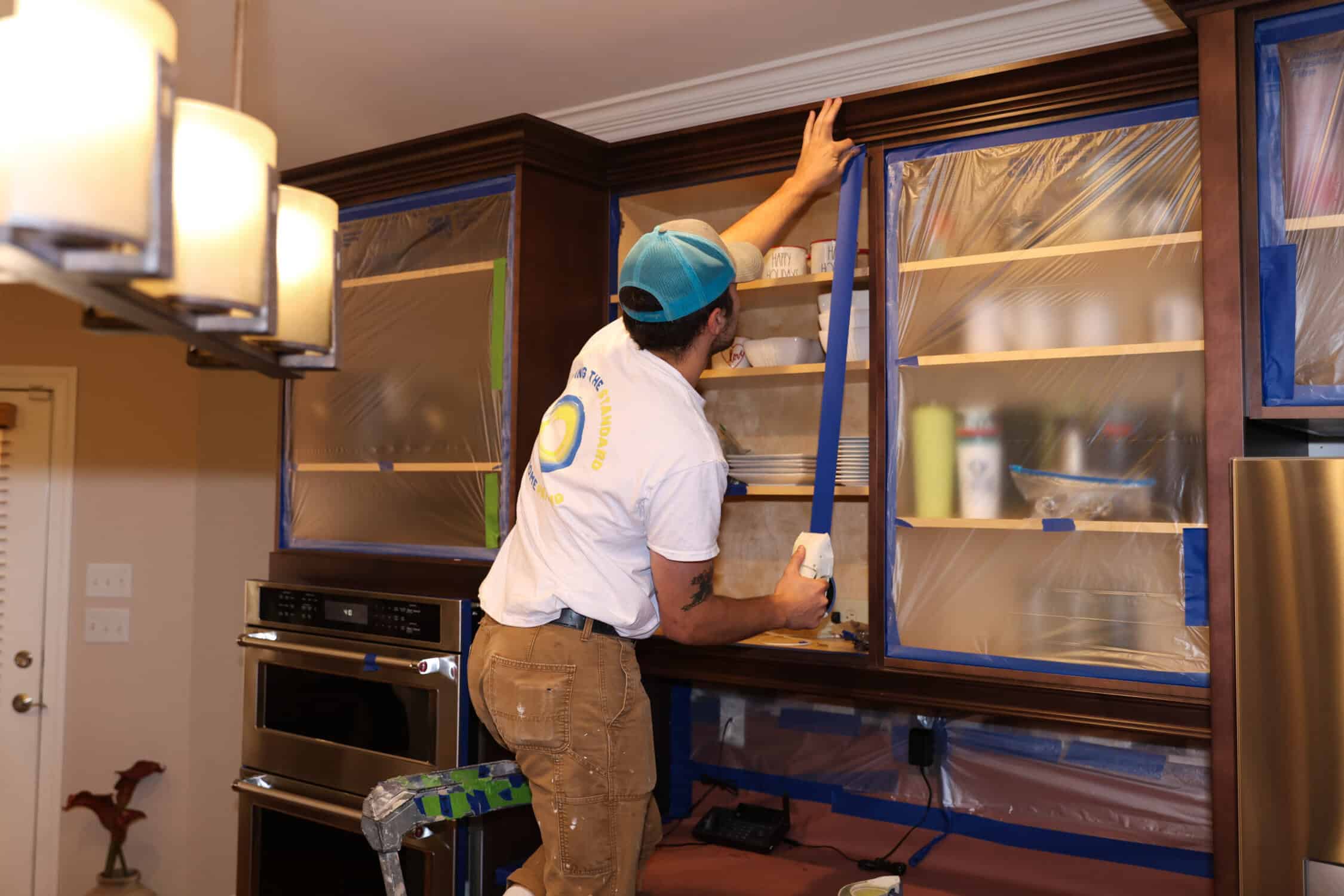
Toward the end of any interior painting project, results reflect the planning behind it. Professional painters in Charlotte NC focus on systems that reduce mistakes and protect the home during the process.
At Ukie Painting, interior painting tips are applied through a clear process that keeps projects organized and predictable.
Our approach includes:
- Pre-project walkthrough to review surfaces and expectations
- Detailed prep for walls, trim, and ceilings
- Primer selection based on surface condition
- Consistent application for even coverage
- Final inspection and cleanup
This method allows paint, primer, and finish to perform as intended across walls, ceilings, windows, masonry accents, or interior brick features.
Interior Painting Tips That Support Long-Term Value
Interior painting tips matter because repainting too often costs time and money. Durable finishes protect surfaces and reduce touch-ups. Proper adhesion keeps paint from peeling or cracking.
Choosing environmentally friendly options with lower levels of volatile organic compounds improves indoor air quality without sacrificing performance. Balanced planning leads to results that feel finished, not rushed.
When interior painting tips guide the process, rooms stay clean, consistent, and comfortable for years.
Final Thoughts On Interior Painting Tips
Interior painting tips work best when they guide planning, prep, and execution together rather than focusing on paint alone. From surface prep to sheen choice, each step builds toward a finish that holds up under real use. Small decisions early prevent visible problems later. A structured process leads to consistent results across every room.
If you want interior painting done with care and clarity, Ukie Painting serves Charlotte NC and the surrounding areas. Call us at 980-391-5589 for a FREE estimate and a clear plan for your interior paint project.