You picked the perfect color for your front door. You spent the time applying it carefully. Two summers later, that vibrant color looks dull, faded, and tired.
Charlotte’s combination of summer humidity averaging 75% with peaks above 85% and a July UV index of 7 punishes exterior paint that was not formulated for those conditions. Standard paint can fade within 2 to 3 years on south- and west-facing doors here.
This guide covers the six paint finishes that hold up to Charlotte’s heat, humidity, and sun, the color strategies that fight fading, and the application timing that matters most. The right combination can keep your door looking sharp for 7 to 10 years.
Key Takeaways
- Semi-gloss and satin finishes reflect light better than flat paints, which makes them more resistant to UV damage and fading.
- Premium exterior paint with built-in UV protection is one of the most reliable defenses against fade.
- Lighter colors absorb less radiation and heat. Inorganic pigments resist UV better than vibrant organic ones.
- Charlotte’s humidity, rain, heat, and sun exposure break down exterior finishes quickly when the wrong products are used.
- Urethane enamel paints level smoothly, hold their adhesion, and deliver a factory-grade finish on doors.
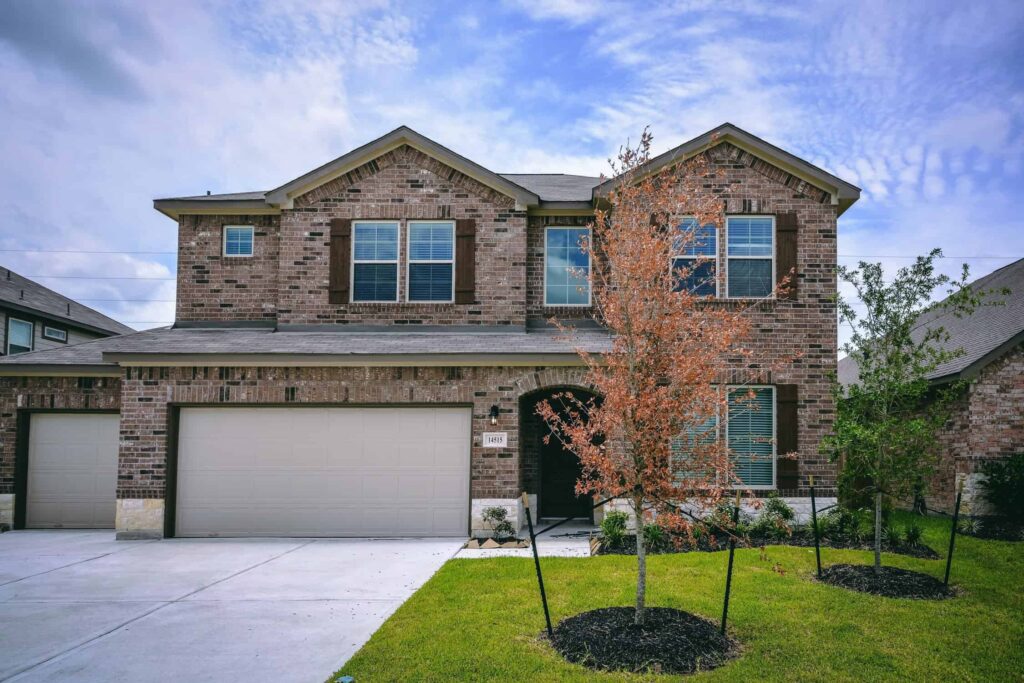
Why Your Front Door Paint Fades So Fast in Charlotte
Your door fights three forces at once in Charlotte: high humidity, intense UV, and sharp temperature swings. Each one alone is manageable. The combination is what kills budget paint.
According to NOAA UV index forecast data, Charlotte’s UV index reaches 7 in July, which is in the “high exposure” range. UV breaks down paint binders and pigments within 2 to 3 years on cheap products.
Humidity Slows the Cure
High humidity prevents proper paint curing, which means the finish never fully hardens. The result is a softer film that picks up dirt, mildew, and damage faster.
In Mint Hill, Pineville, Wesley Chapel, Belmont, Mount Holly, and Cornelius, this combination affects every exterior paint job. Application timing matters as much as product choice.
Sun Damage Goes Beyond Color
The sun does not just fade paint. Prolonged exposure can warp wood doors to the point that they bind in the frame and become difficult to open, close, or lock.
A warped door is a security issue, not just a cosmetic one. The right finish protects the substrate underneath, not just the appearance.
The 6 Best Paint Finishes That Won’t Fade in Charlotte’s Sun
1. Acrylic Urethane Enamel (Premium Choice)
Acrylic urethane enamel is a water-based hybrid that combines acrylic flexibility with urethane hardness. This combination delivers factory-grade durability with the easy cleanup of latex.
Sherwin-Williams Emerald Urethane Trim Enamel is the top pick in this category. It self-levels for a smooth finish and adheres exceptionally well on doors, which is exactly where Charlotte’s UV does the most damage.
For a deeper look at when acrylic latex outperforms oil-based products, see our oil vs latex exterior paint comparison.
2. High-Quality Semi-Gloss Latex
Semi-gloss reflects more light than satin or flat finishes, which slows UV damage. Consumer Reports recommends semi-gloss for exterior doors and trim because of its durability and washability.
The shine also creates visual contrast against siding, which is part of why most professional painters reach for it on Charlotte front doors.
3. Premium Satin with UV Protection
Satin outperforms flat paint on virtually every weathering metric: moisture penetration, chalking resistance, gloss retention, and UV damage.
Premium satin formulations from Sherwin-Williams Duration and Benjamin Moore Aura include UV blockers that extend color life on south- and west-facing doors. Expect 6 to 8 years of color hold in Charlotte sun on properly prepped surfaces.
4. Direct-to-Metal (DTM) Paint for Steel Doors
Steel doors are vulnerable to rust when exposed to Charlotte’s humidity. Standard exterior paint does not bond well to bare metal.
DTM paints are formulated specifically for steel. They include anti-rust additives and UV resistance, which keeps both the substrate and the color protected.
5. Alkyd Enamel (Oil-Alternative)
Benjamin Moore Advance is a waterborne alkyd that levels like oil paint without the yellowing issues. Fewer brush and roller marks, oil-grade durability, water-based cleanup.
This product is the best choice when you want a brushed finish that looks sprayed. It does require longer recoat windows than standard latex, so plan the project accordingly.
6. 100% Acrylic Latex with Ceramic Technology
Modern acrylic formulations with ceramic additives deliver excellent UV resistance and flexibility. The flexibility is what prevents cracking and peeling during Charlotte’s temperature swings.
100% acrylic latex is the most reliable all-around choice for sun-exposed doors when ceramic-enhanced formulations are available.
Color Strategies That Fight Fading
Color choice affects how long your paint lasts, not just how it looks. Vibrant reds, yellows, dark blues, and deep greens fade faster than neutral tones.
The Inorganic Pigment Advantage
Inorganic pigments (earth tones like beige, brown, and tan) resist UV better than organic pigments (vibrant reds, blues, greens, and yellows).
When neutral tones do fade over time, they fade more gracefully, which means the door looks aged rather than damaged. Vibrant colors fade in patches that look obvious from the curb.
Light vs. Dark
Lighter colors reflect more sunlight and absorb less heat. Darker colors absorb heat that warps wood and accelerates paint breakdown.
If you want a deep navy or charcoal door, choose a finish with built-in UV blockers and accept that maintenance will be more frequent. Lighter shades give you the most forgiving combination of style and longevity.
Application Tips for Charlotte Conditions
Even premium paint underperforms if applied at the wrong time. Charlotte’s seasonal weather gives some windows that work and others that wreck the cure.
The Best Application Window
Fall is Charlotte’s most reliable window for exterior painting. Lower humidity, comfortable temperatures, and reduced rainfall create optimal cure conditions.
Avoid intense afternoon sun in summer. It causes premature surface drying that traps solvents underneath, which leads to blisters and adhesion failure. Early morning is workable for small projects like a single door, but avoid full exterior work during peak summer.
Why Primer Matters Most
Primer is the foundation of any door paint job. The right paint primer that prevents paint failure bonds the topcoat to the substrate and adds an extra layer of protection.
Use acrylic primer for wood and fiberglass doors. Use rust-inhibiting primer for steel doors. Skipping or mismatching the primer is the most common cause of premature peeling on Charlotte doors.
Professional vs. DIY Considerations
Premium products require careful application to deliver their full lifespan. The technique matters as much as the chemistry.
Multiple Thin Coats Beat One Thick Coat
Use a high-quality brush or roller appropriate for the door material and paint type. Apply 2 to 3 thin coats rather than one thick coat.
Thick application creates blisters, drips, and slow-curing soft spots. Thin coats build a uniform film that handles Charlotte’s humidity and UV without breaking down early.
When to Hire a Professional
For homeowners who want guaranteed results, professional painters know how surface preparation affects paint durability and have direct experience with Charlotte’s specific climate.
Professional application also protects you from the rework cost when DIY mistakes show up 18 months later as peeling, blistering, or fading.
Long-Term Maintenance
Even the best paint finish needs ongoing care. Regular maintenance can add 2 to 3 years to the working life of any premium finish.
Annual Maintenance Tasks
Wash siding and doors once a year with a garden hose to clear pollen and mildew spores. Keep shrubs and tree limbs trimmed back so air moves freely around the home and surfaces dry faster after summer storms.
Check caulk around windows and doors regularly. Repair failures quickly to prevent water damage that shows up later as paint failure on the surrounding surfaces.
Door-Specific Care
Clean the door itself with a mild detergent and a soft cloth. Avoid abrasive scrubbers, ammonia-based cleaners, and pressure washers, which strip the finish faster than expected.
If you notice chips or worn spots, touch them up promptly. A 10-minute touch-up beats a full repaint every time.
Making the Right Choice for Your Door
The best exterior door paint for Charlotte combines the right chemistry, smart color selection, and proper application timing.
Use a paint with built-in UV protection. Choose lighter or earth-toned colors when possible. Apply in the fall when humidity drops, and cure conditions improve.
Whether your door is wood, fiberglass, or steel, the six finishes above provide proven performance in Charlotte’s climate. Your front door does not have to be another casualty of the Carolina sun.
You spent the time picking the right color. The finish protects that choice. Whether you need a single door refreshed or a full exterior repainted before fall, our team at Ukie Painting will walk you through the products and timing that fit your specific home. Call 980-351-5182 for a FREE estimate today.