
Your kitchen cabinets look tired. The color is dated, and you’re ready for a change. Cabinet painting sounds simple enough—grab some paint, a brush, and get to work, right? But here’s the truth: what separates a stunning cabinet transformation from a sticky, peeling disaster often comes down to mistakes you didn’t know you were making.
If you’re a Charlotte homeowner thinking about refreshing your kitchen, you need to know what are common cabinet painting mistakes before you pick up that paintbrush. Whether you’re considering DIY or hiring a professional house painter, understanding these pitfalls will save you time, money, and a whole lot of frustration.
Key Takeaways
What Are Common Cabinet Painting Mistakes?
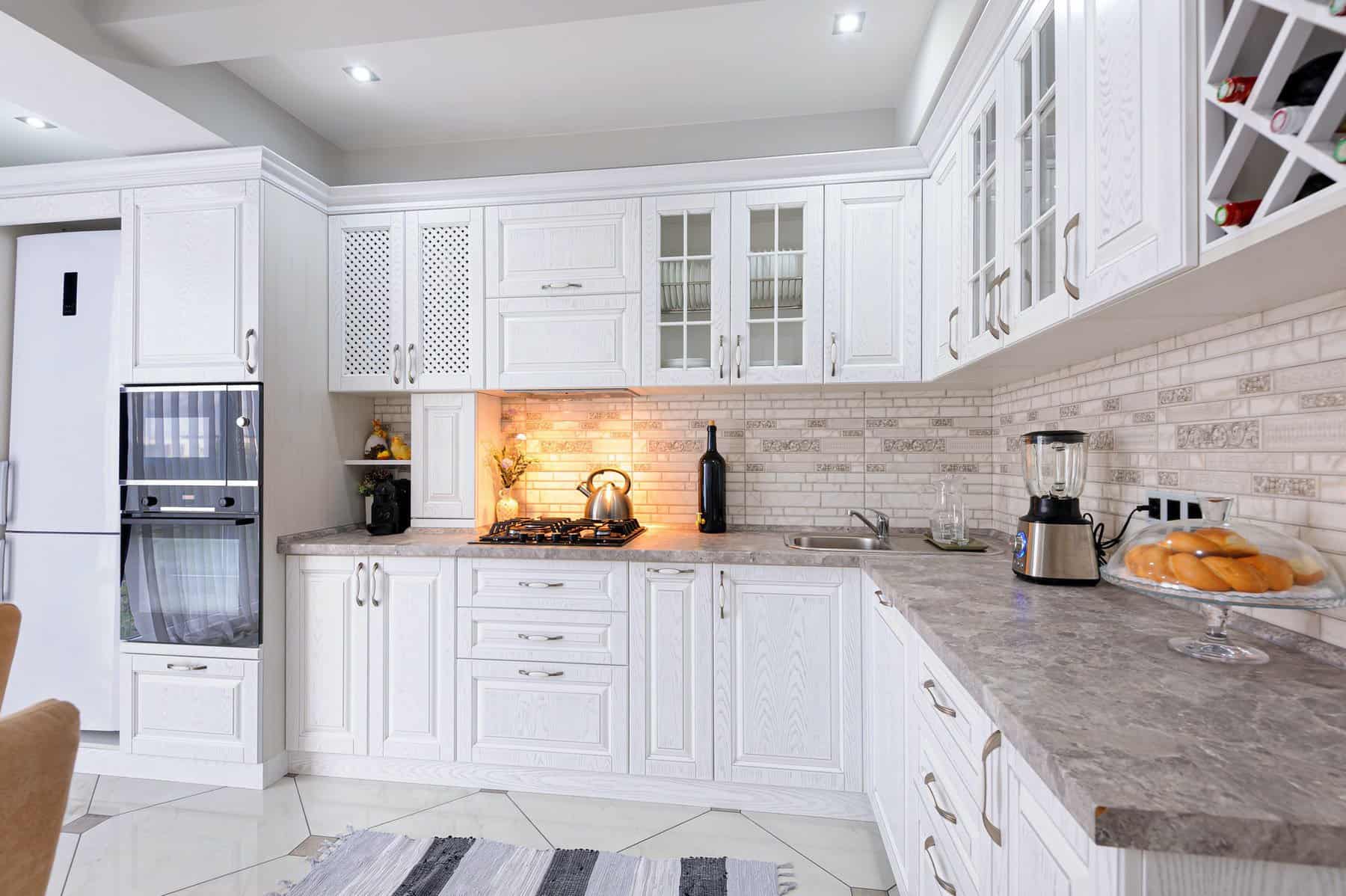
Cabinet refinishing mistakes often start here because prep work isn’t glamorous. It’s tedious. But skipping even one of these steps means your paint won’t stick properly. Within six months to a year, you’ll see peeling, chipping, and wear patterns around handles and edges.
A professional house painter spends more time on prep than actual painting. That’s not an accident—it’s the foundation of a lasting finish.
Why cabinet paint peels often comes down to this single choice. Using standard latex wall paint is a recipe for painted cabinet problems that show up fast—especially in a humid climate like Charlotte’s.
Professional cabinet painting Charlotte NC companies always remove doors, drawers, and all hardware. They label everything, paint pieces flat on sawhorses or racks, and reinstall only after full curing. This process takes longer but delivers results that last 10+ years.
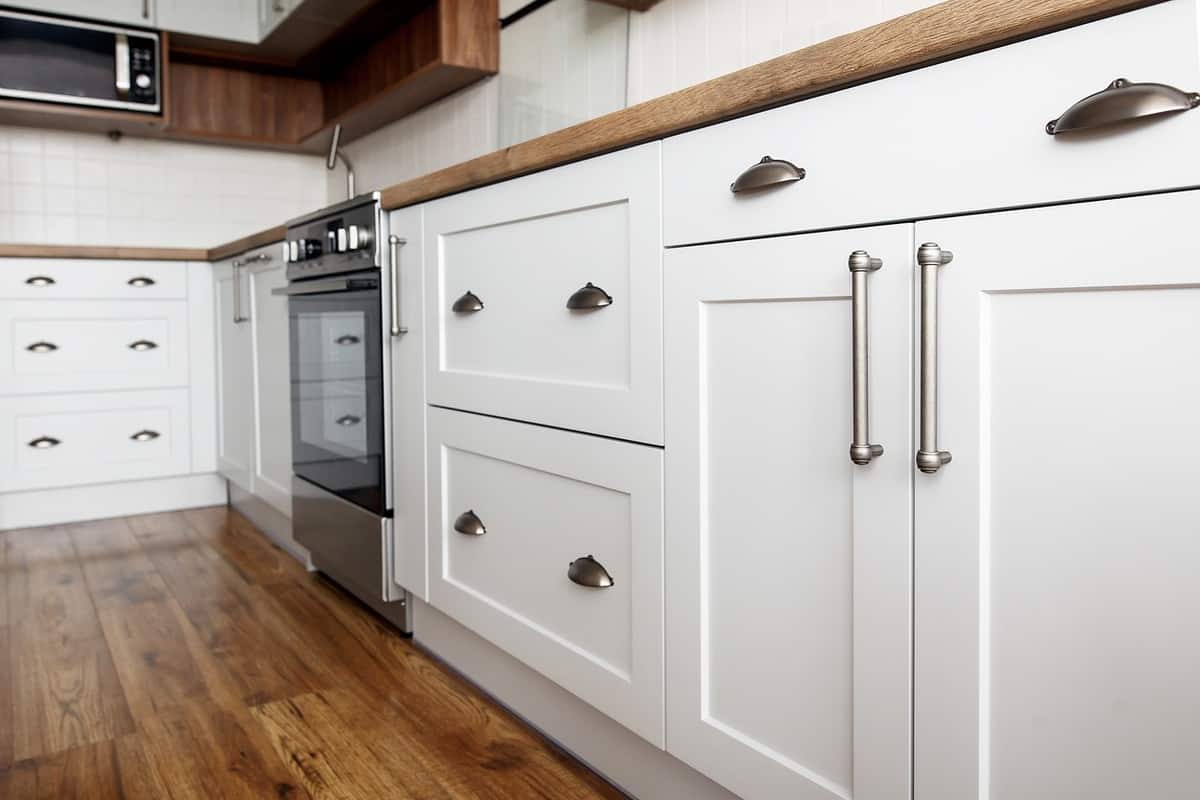
Cabinet painting tips Charlotte professionals share: always follow the manufacturer’s recommended recoat times. In Charlotte’s humidity, you may need to wait even longer. Temperature and humidity directly affect dry times, so painting during spring or fall often works better than our humid summer months.
Most cabinet projects need at least two coats of primer and two coats of paint. With proper dry time between each, you’re looking at several days minimum for the painting phase alone.
Painting in your garage during a humid July day? You’re setting yourself up for DIY cabinet painting problems. The paint won’t cure properly, dust and debris stick to wet surfaces, and you’ll fight the finish every step of the way.
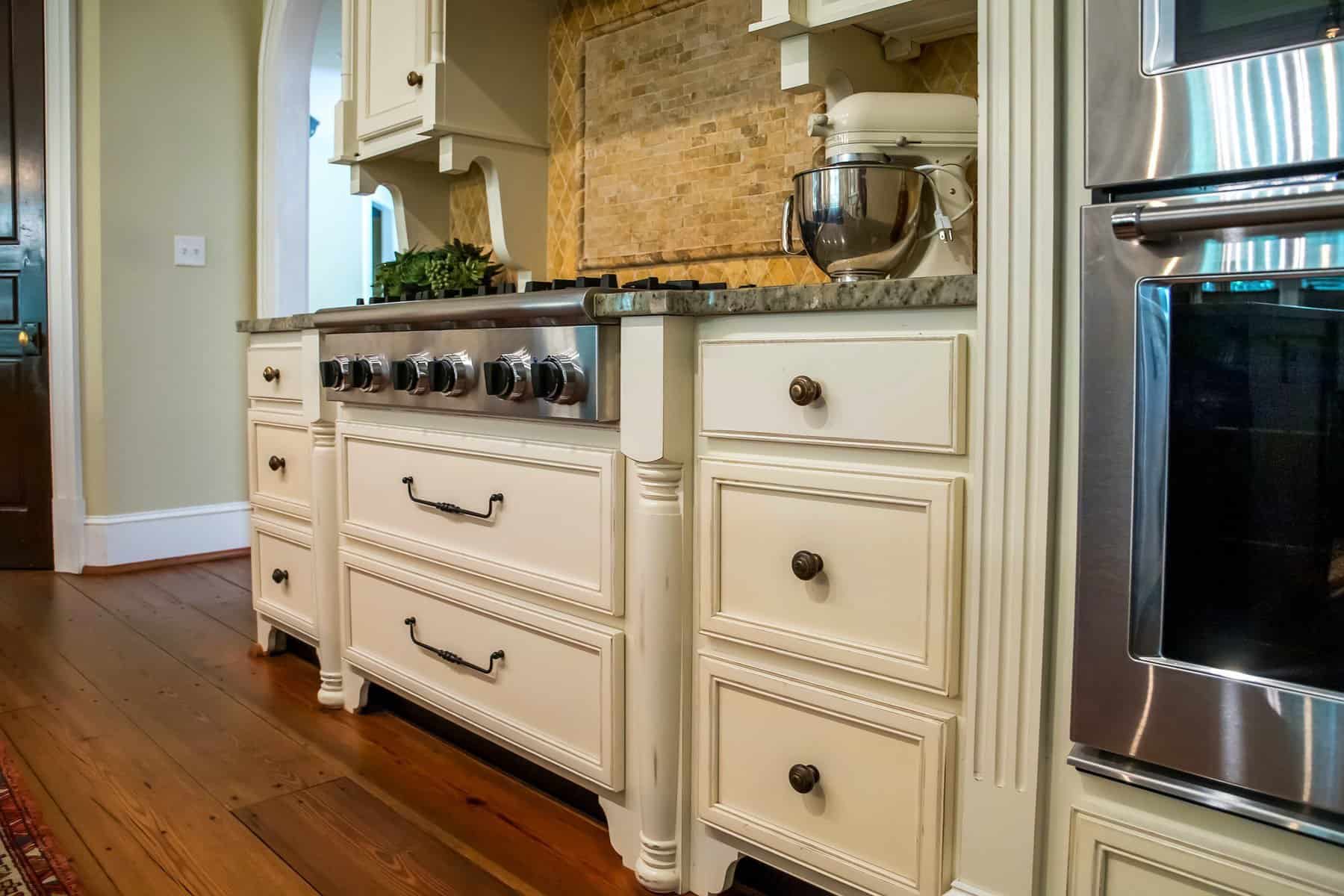
When DIY Makes Sense?
Let’s be honest: cabinet painting can be a DIY project if you have the time, patience, and willingness to learn. But most homeowners underestimate the scope.
A typical kitchen with 20-30 cabinet doors takes 40-60 hours when done properly. That’s a week or more of evenings and weekends. You’ll need to set up a dedicated painting area, source the right materials, and live without your kitchen for several days.
For many Charlotte homeowners, the math favors hiring a professional house painter who specializes in cabinets. The investment protects your home’s value and guarantees results that last.
Ready for Cabinets That Look Factory-Fresh?
Understanding what are common cabinet painting mistakes puts you ahead of most homeowners. You now know why prep matters, which paint to use, and why shortcuts always cost more in the long run.
But knowing and executing are different things. If you want cabinets that look professionally finished—because they are—contact Ukie Painting today. Our Charlotte team has refinished hundreds of kitchens, and we’d love to show you what’s possible in yours.